Basket



Traditional Advent Calendars - More Than Just Christmas Magic
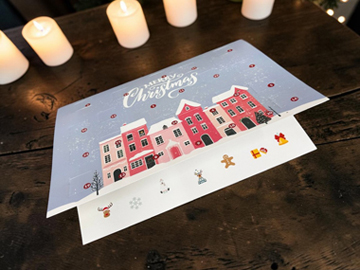
As Christmas nears each year, few festive traditions evoke the season's excitement like the advent calendar. Before chocolate-filled cardboard calendars became common in stores, traditional advent calendars served as beautifully illustrated keepsakes to help families mark the days until Christmas. Nowadays, making a traditional advent calendar is a meaningful design project and a way to celebrate a beloved holiday tradition.
History of the Advent Calendar
The story of the advent calendar starts in 19th-century Germany, where Protestant families counted down to Christmas by drawing chalk lines on doors, lighting candles, or hanging religious pictures. These actions helped children grasp the concept of Advent, the four-week period before Christmas.
Printed advent calendars first appeared in the early 1900s, and by the 1920s they had evolved into decorative works of art, featuring festive scenes, religious imagery, winter landscapes, and intricate illustrations. The tradition spread across Europe and eventually around the world, becoming a beloved part of Christmas preparations for families everywhere.
What Makes a Traditional Advent Calendar?
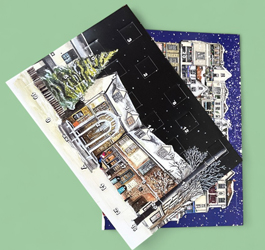
Unlike many modern versions filled with chocolates, toys, or beauty products, traditional advent calendars focus on storytelling, imagery, and anticipation. Most traditional calendars reveal a small picture behind each door, gradually building excitement until Christmas Eve.
Key characteristics generally include:
- Hand-painted or vintage-style illustrations
- Festive Christmas scenes
- Numbered windows or doors
- Religious or winter-themed imagery
- Warm, nostalgic colour palettes
- High-quality paper and card materials
Designing a Traditional Advent Calendar
Creating a traditional advent calendar requires thoughtful planning and attention to detail. The design should evoke both nostalgia and wonder.
- Start with a Central Theme
Traditional calendars often centre around a single festive scene, such as:
- A snowy woodland with wildlife
- The Nativity story
- Santa's workshop
- A cosy Christmas market
The theme provides the framework for positioning the numbered windows throughout the design.
- Thoughtful Placement of Windows
The numbered doors should feel like part of the illustration rather than an afterthought.
Designers often:
- Blend them into buildings, trees, or landscape features
- Scatter numbers organically across the design
- Ensure a balance between visibility and discovery
Part of the charm lies in searching for the next day's window.
- Design the Reveal
Behind each door should be a delightful surprise.
Traditional reveals may include:
- Christmas characters
- Religious symbols
- Festive objects
- Seasonal animals
- Miniature scenes that complement the main illustration
The final door, usually opened on Christmas Eve or Christmas Day, often contains the most special image.
- Choose Authentic Colours and Typography
Traditional advent calendars typically feature:
- Deep reds and greens
- Gold accents
- Warm cream backgrounds
- Rich blues and winter whites
For typography, classic serif fonts or hand-lettered styles help reinforce a heritage feel and complement the artwork.
The Importance of Craftsmanship
One reason traditional advent calendars remain popular is their craftsmanship. High-quality printing, sturdy card stock, and carefully cut windows elevate the calendar from a simple countdown tool to a treasured Christmas decoration.
Modern Interpretations of a Classic Tradition
While the advent calendar has evolved significantly over the past century, many designers are returning to traditional styles. Consumers increasingly value products that convey authenticity, heritage, and sustainability.
Modern traditional calendars often blend vintage-inspired artwork with contemporary printing techniques, producing products that feel timeless while meeting today's expectations for quality and design.
Some designers create bespoke calendars for schools, businesses, and charities.
Why Traditional Advent Calendars Still Matter
In our rapidly changing digital landscape, classic advent calendars remain meaningful: they provide a daily pause for anticipation and reflection. Each morning, opening a small paper door links us to a long-standing tradition that has brought joy to both children and adults across generations.
For designers, crafting a traditional advent calendar offers a chance to combine storytelling, illustration, typography, and craftsmanship into a unified festive creation. The most memorable designs do more than just count down to Christmas; they evoke memories, spark wonder, and become cherished family holiday traditions for years.
Bring your festive ideas to life with traditional advent calendars that evoke the magic of Christmas and keep customers engaged all season. Ideal for retailers, brands, and promotional efforts, our advent calendars can boost sales, enhance brand recognition, and offer a memorable countdown experience. Want to get started? Reach out to our team today for expert guidance, a customised quote, or to discuss your needs and see how we can help ensure your advent calendar opens doors and windows!