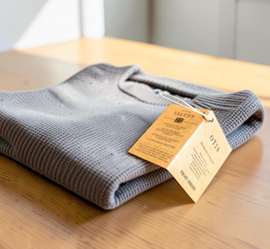
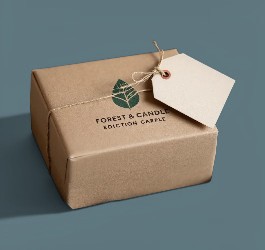
When it comes to making a lasting impression, the details matter. A professionally printed swing tag can transform an ordinary product into something exceptional, helping your brand stand out on crowded shelves and creating a memorable customer experience.
At A Local Printer Ltd, we offer a wide range of swing tag printing options, giving businesses complete flexibility over size, shape, material, and finish. Whether you need luxury clothing tags, retail product labels, gift tags, or promotional packaging accessories, we print custom swing tags that perfectly reflect your brand.
Traditional Advent Calendars - More Than Just Christmas Magic
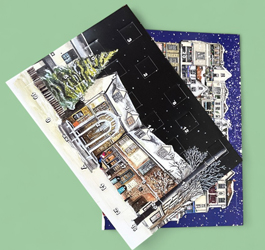
As Christmas nears each year, few festive traditions evoke the season's excitement like the advent calendar. Before chocolate-filled cardboard calendars became common in stores, traditional advent calendars served as beautifully illustrated keepsakes to help families mark the days until Christmas. Nowadays, making a traditional advent calendar is a meaningful design project and a way to celebrate a beloved holiday tradition.
For small businesses, the PPWR poses both challenges and opportunities
Sustainability is no longer a niche concern. It is increasingly a core business requirement, particularly for companies that manufacture, package, import, or sell products in Europe. One of the most significant developments in this area is the EU Packaging and Packaging Waste Regulation (PPWR), which entered and will apply from 12 August 2026.
How to Become a Plastic-Free Business: A Practical Guide
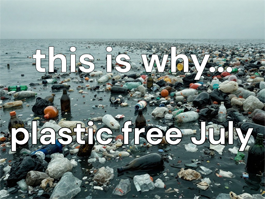
July is the ideal time for businesses to commit to going plastic-free, as heightened awareness of initiatives such as Plastic Free July inspires both companies and customers to make more sustainable choices. It’s an opportunity to review packaging, switch to recyclable or compostable materials, and reduce single-use plastics across daily operations. By taking action during this highly visible month, businesses not only reduce their environmental impact but also demonstrate genuine commitment to sustainability—something that resonates strongly with today’s eco-conscious consumers.
Consider the Lifecycle Effect of Your Printed Packaging
In today’s rapidly evolving market, custom packaging is no longer just about aesthetics and branding—it’s about responsibility, efficiency, and long-term impact. As businesses face mounting pressure from consumers, regulators, and environmental groups, incorporating lifecycle thinking into the production of custom packaging has become essential. This approach ensures that every stage of a package’s life—from raw material sourcing to disposal—is optimised for sustainability, cost-effectiveness, and performance.
Why Switching to Sustainable Packaging Matters — And How We Can Help
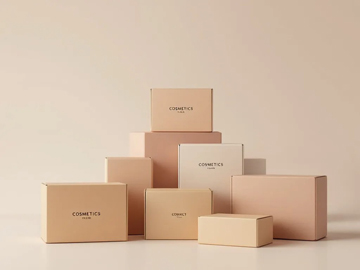
As environmental awareness grows, businesses and consumers alike are rethinking the materials they use daily. Packaging, once designed solely for protection and shelf appeal, is now under scrutiny for its environmental impact. Switching to sustainable packaging is no longer just a trend—it’s becoming a business imperative.
The Rising Need for Sustainable Packaging
Traditional packaging—especially single-use plastics and non-recyclable composites—has long contributed to environmental challenges, including landfill waste, ocean pollution, and carbon emissions. With tightening regulations and growing consumer demand for greener alternatives, companies are being pushed to rethink their approach.
High-quality print with a lighter environmental footprint
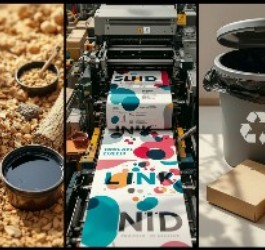
Printing plays an important role in helping businesses communicate effectively—but it doesn’t have to come at the cost of unnecessary waste. By taking a smarter approach to how print is planned, produced, and delivered, it’s possible to achieve excellent results while reducing environmental impact.
Put Reduce, Reuse, Recycle into Action in Your Workplace
The Three R’s used to refer to Reading, Writing and Arithmetic but are now better know as Reduce, Reuse and Recycle. But there is a new interloper in town – Carbon Reduction – and it’s getting a lot of traction. Does this mean that we should forget about the three R’s and head in a different direction in order to reach our environmental goals and more importantly, which is more beneficial?
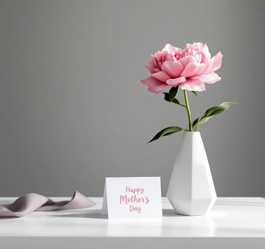
Mother’s Day is a deeply meaningful occasion—an opportunity to pause, express gratitude, and honour the women who have influenced us. Whether it’s a biological mother, stepmother, grandmother, caregiver, or maternal figure, nothing communicates “you matter” better than a heartfelt gift combined with a beautifully printed card.
Although digital messages are convenient, a printed greeting card with a handwritten note has a timeless and meaningful quality. It’s tangible, personal, and serves as a keepsake that can be cherished long after the occasion.
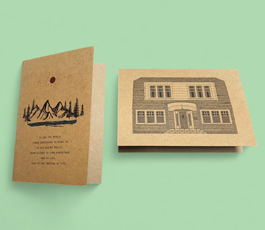
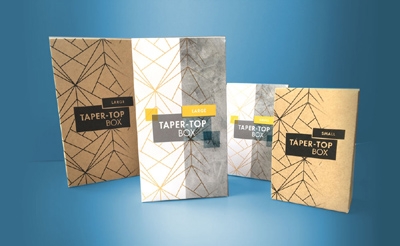
Did We Fall Out of Love With Kraft Paper Printing?
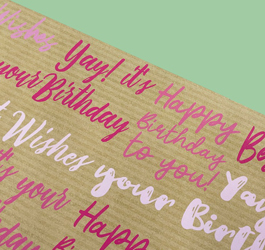
For years, kraft paper was the darling of the DIY wedding scene, the boutique greeting-card market, and the indie-stationery world. Its rustic charm, earthy fibre textures, and warm, natural brown tone gave it an authentic, artisanal feel that brilliant white card never could.
And then… it faded. Not suddenly, but subtly. One day, kraft was everywhere; the next, it felt dated. So what happened? Why was there a sudden drift away from kraft?





 Basket