Basket



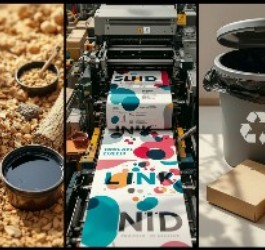
Consider the Lifecycle Effect of Your Printed Packaging
In today’s rapidly evolving market, custom packaging is no longer just about aesthetics and branding—it’s about responsibility, efficiency, and long-term impact. As businesses face mounting pressure from consumers, regulators, and environmental groups, incorporating lifecycle thinking into the production of custom packaging has become essential. This approach ensures that every stage of a package’s life—from raw material sourcing to disposal—is optimised for sustainability, cost-effectiveness, and performance.
What Is Lifecycle Thinking in Packaging?
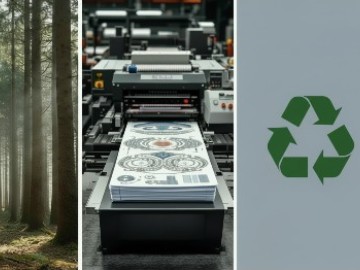
Lifecycle thinking (often referred to as Life Cycle Assessment or LCA) involves assessing the environmental and economic impacts of a product throughout its entire lifespan. For custom packaging, this includes:
- Raw materials
- Manufacturing and printing processes
- Distribution and logistics
- Consumer use
- End-of-life disposal, recycling, or reuse
By evaluating each stage, businesses can make informed decisions that reduce waste, lower emissions, and improve overall efficiency.
Why Lifecycle Thinking Matters in Custom Packaging
Reducing Environmental Impact
Traditional packaging production often neglects the overall environmental impact of materials, inks, and energy consumption. By adopting lifecycle thinking, businesses can:
- Opt for sustainable materials such as recycled paper and biodegradable plastics
- Cut down on energy and water use during printing
- Lower carbon emissions during transportation
Enhancing Brand Reputation
Consumers are growing more eco-conscious and seek brands that genuinely commit to sustainability. Packaging that highlights lifecycle awareness shows transparency and responsibility. For brands, benefits include increased trust, loyalty, and visible distinction in competitive markets. A thoughtfully designed package that considers its entire lifecycle conveys a compelling message, connecting well with today's consumers.
Compliance with Regulations
Governments around the world are implementing tighter regulations on packaging waste, recycling, and environmental impact. Lifecycle thinking enables businesses to stay ahead of these regulations by:
- Creating recyclable or compostable packaging
- Steering clear of restricted materials and chemicals
- Adhering to labelling and recycling standards
Compliance not only helps avoid penalties but also positions companies as proactive leaders in sustainability.
Driving Innovation in Printing Technologies
Adopting lifecycle thinking encourages companies to explore advanced printing solutions that align with sustainability goals. This includes:
- Digital printing, which reduces setup waste and enables on-demand production
- Eco-friendly inks and coatings
- Closed-loop manufacturing systems
These innovations not only reduce environmental impact but also enhance flexibility and customisation.
Key Strategies for Implementing Lifecycle Thinking
To effectively embed lifecycle thinking in custom packaging printing, businesses can adopt the following strategies:
- Conduct a Lifecycle Assessment (LCA)
Assess the environmental footprint of your packaging to pinpoint areas for improvement.
- Choose Sustainable Materials
Opt for FSC-certified paper, recycled substrates, or biodegradable alternatives.
- Optimise Design for Efficiency
Design packaging that uses less material while maintaining functionality and durability.
- Select Eco-Friendly Printing Methods
Use digital printing, water-based inks, and energy-efficient equipment.
- Plan for End-of-Life
Ensure packaging can be easily recycled or reused, and clearly communicate disposal instructions to consumers.
The Future of Custom Packaging
Lifecycle thinking is no longer optional—it’s a strategic necessity. As sustainability expectations continue to rise, businesses that embed lifecycle principles into their custom packaging processes will be better placed to thrive.
From reducing environmental impact to enhancing brand value and driving innovation, the benefits are clear. By adopting a holistic approach to packaging design and printing, companies can create solutions that are not only visually appealing but also responsible and future-ready.
Final Thoughts
Custom packaging is a powerful touchpoint between a brand and its customers. By embedding lifecycle thinking into printing processes, businesses can transform packaging from a simple container into a meaningful, sustainable asset.
The question is no longer whether to adopt lifecycle practices—but how soon you can start.