Basket



How to Become a Plastic-Free Business: A Practical Guide
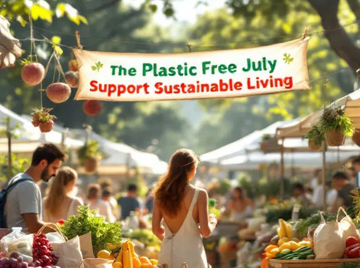
July is the ideal time for businesses to commit to going plastic-free, as heightened awareness of initiatives such as Plastic Free July inspires both companies and customers to make more sustainable choices. It’s an opportunity to review packaging, switch to recyclable or compostable materials, and reduce single-use plastics across daily operations. By taking action during this highly visible month, businesses not only reduce their environmental impact but also demonstrate genuine commitment to sustainability—something that resonates strongly with today’s eco-conscious consumers.
Why Going Plastic-Free Matters
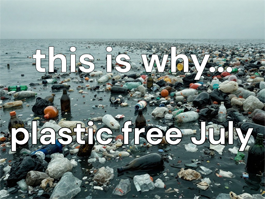
Plastic pollution is one of the biggest environmental challenges we face. Single-use plastics often end up in landfills or oceans, taking hundreds of years to break down. By reducing plastic use, businesses can:
- Lower their environmental impact
- Strengthen brand reputation
- Attract eco-conscious customers
- Future-proof against tighter regulations
Going plastic-free isn’t just about doing good — it’s also good business.
- Audit Your Current Plastic Use
Start by understanding where plastic is used in your business.
Ask yourself:
- Do your products include plastic components?
- Is your packaging plastic-based?
- Are there plastics used in shipping or storage?
- Do you rely on single-use plastics in daily operations?
Create a list of all plastic items used and prioritise those that can be easily replaced.
- Switch to Sustainable Packaging
Packaging is often the biggest area for improvement. Consider replacing:
- Plastic packaging → Paper or compostable alternatives
- Bubble wrap → Recycled paper padding or cardboard inserts
- Plastic tape → Paper tape
- Poly bags → Glassine or biodegradable bags
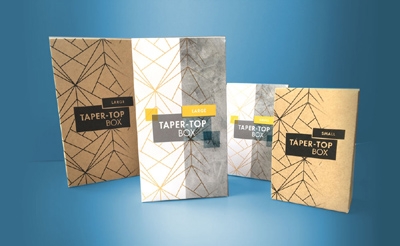
For example, if you sell notebooks or stationery, opt for recyclable sleeves, minimal packaging, or reusable boxes that reflect your brand values.
- Choose Eco-Friendly Materials
If you manufacture or source products, look closely at the materials used.
Switch to:
- FSC-certified paper or recycled paper
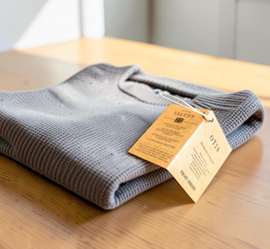
- Natural fibres instead of synthetic ones
- Biodegradable or compostable materials
Work with suppliers who share your sustainability goals. Transparency in your supply chain is key.
- Redesign Products with Sustainability in Mind
Becoming plastic-free often requires rethinking product design.
Ask:
- Can plastic components be removed entirely?
- Can products be made refillable or reusable?
- Can you reduce material usage without compromising quality?
- Can your product or packaging be easily recycled?
Simple design changes can significantly reduce waste and improve your product’s eco appeal.
- Work with Sustainable Suppliers
Partner with suppliers who prioritise sustainability and minimal plastic use.
When choosing partners, consider:
- Their packaging practices
- Their environmental certifications
- Their commitment to reducing waste
Building a sustainable supply chain strengthens your entire business model.
- Be Honest and Transparent with Customers
Customers value honesty. Share your journey, including:
- What you’ve changed
- What you’re still working on
- The challenges you’ve faced
Avoid greenwashing — authenticity builds trust and long-term loyalty.
- Educate and Involve Your Customers
Your customers can be part of your sustainability mission.
- Encourage reusable packaging
- Offer incentives for returns or refills
- Share tips on reducing plastic at home
When customers feel involved, they’re more likely to support your brand.
- Start Small and Improve Over Time
You don’t need to eliminate all plastic overnight. Focus on making steady, meaningful changes.
Start with:
- Packaging updates
- Supplier improvements
Then build from there. Progress matters more than perfection.
Final Thoughts
Becoming a plastic-free business isn’t just a trend — it’s a responsibility and an opportunity. By reducing plastic use, you’re not only helping the environment but also building a stronger, more future-proof brand.
Start with one change, then another, and keep moving forward. Every step brings you closer to a cleaner, more sustainable way of doing business.
Ready to go plastic-free? Start by auditing your packaging today — it’s often the quickest win with the biggest impact.